


Used underwear for men is a niche market, but it also raises a broader question: what should happen to garments when their original use comes to an end?
This guide looks at how used men’s underwear can be bought, sold, reused or recycled, with a focus on hygiene, privacy, traceability and responsible handling.
At ZLCOPENHAGEN, we also explore this from a product life-cycle and circular design perspective. Selected prototypes, fitting samples and production variations can enter a controlled life-cycle process rather than simply becoming textile waste.
WHERE TO BUY OR SELL USED MEN’S UNDERWEAR
Used men’s underwear is a niche market and may be exchanged through specialised platforms, private communities or controlled life-cycle initiatives. Requirements can vary between platforms and locations, so sellers and buyers should check the applicable rules before exchanging used garments.
SELLING USED MEN’S UNDERWEAR RESPONSIBLY
For anyone considering selling used men’s underwear, hygiene, privacy and transparency about the condition and history of the garment are important. The same principles apply to samples, prototypes and other garments that have previously been worn or handled.
At ZLCOPENHAGEN, selected prototypes, fitting samples and production variations may be considered for controlled reuse, recycling or material recovery rather than simply being discarded.
A PILOT PROJECT — COLLABORATION & CONTACT
This life-cycle initiative currently operates as a pilot project exploring how selected garments and textile materials can move beyond a conventional use-and-discard model.
We are interested in collaboration with individuals and partners who encounter surplus, archived or non-standard underwear through production, sampling, fittings or other controlled textile flows.
If you work with underwear, socks or similar textile products — or have experience with surplus materials, samples or textile waste — you are welcome to get in touch. These collaborations can help us explore practical approaches to reuse, recycling and responsible material handling.
HOW OUR CIRCULAR PROCESS WORKS
Our approach looks at the garment as part of a wider product life cycle. Depending on its condition, a garment or its materials may be considered for controlled reuse, recycling or material recovery.
The aim is to explore ways of extending useful material life and reducing textile waste while keeping hygiene, privacy and traceability at the centre of the process.
THE LIFE CYCLE OF USED UNDERWEAR
FROM GARMENT USE TO MATERIAL RECOVERY
ZLCOPENHAGEN’s life-cycle project looks at what can happen to men’s underwear, prototypes, fitting samples and archived garments when they reach the end of their original use.
Instead of treating every garment as waste, we consider different pathways depending on its condition: continued use, controlled reuse, recycling or material recovery. This creates a more systematic approach to the garment’s product life cycle.
The project connects practical textile handling with broader principles of circular design, resource use and waste reduction. Read more about our sustainable fashion and recycling approach.
LOCAL RECYCLING AND MATERIAL HANDLING
We collaborate with a local recycling station to explore responsible pathways for selected model samples, customer donations and other garments that are no longer suitable for their original use.
Items are assessed according to their condition and may be directed towards reuse, recycling or material recovery. This helps us better understand how small-scale textile flows can be managed while considering hygiene, traceability and waste reduction.
FREQUENTLY ASKED QUESTIONS ABOUT USED MEN’S UNDERWEAR
Frequently Asked Questions
BUYING, SELLING AND RECYCLING USED UNDERWEAR
Is there a market for used men’s underwear?
Yes. Used men’s underwear exists as a niche market, including resale, specialised communities and circular textile projects. Demand varies depending on the garment, its condition and the platform or marketplace being used.
Where can you sell used men’s underwear?
Used men’s underwear may be sold through specialised platforms or communities that permit previously worn garments. Before listing anything, check the platform’s current rules, hygiene requirements and restrictions.
Can you sell used men’s underwear online?
Some online platforms permit certain types of used garments, while others prohibit previously worn underwear. Sellers should check the marketplace’s current terms and any applicable local requirements before listing an item.
Where can you buy used men’s underwear?
Used men’s underwear is generally found through specialised resale platforms and private communities rather than conventional clothing stores. Buyers should consider hygiene, privacy, garment condition and the rules of the platform being used.
Do second-hand shops take used underwear?
Many second-hand shops restrict previously worn underwear. Acceptance varies between organisations, so check the individual shop’s donation and resale policy before bringing in garments.
Can you donate old underwear?
It depends on the receiving organisation. Some may accept selected textiles for recycling or material recovery, while others require donated underwear to be new and unworn. Always check the organisation’s current policy first.
THE LIFE-CYCLE INSPIRED COLLECTION
-


LUXURY MEN’S ONESIE PAJAMAS MADE TO ORDER IN ORGANIC COTTON
COSY ONESIE, UNDERWEAR$ 280ZLC WHITE ONESIE – SIMPLICITY & SEDUCTION
Looking for luxury men’s onesie pajamas that feel as good as they look? This piece combines tailored elegance with laid-back comfort, redefining how you lounge and seduce.Our men’s onesie pajamas are the ultimate expression of comfort and masculine elegance—tailor-made in Pakistan using organic cotton. Tailor-made men’s onesie pajamas for everyday use
A one-piece essential designed for comfort, confidence, and clean style. Made from breathable organic cotton, this fitted onesie replaces your vest and underwear in one bold move. With deep-button front access, it’s built for both everyday ease and intimate moments.
FEATURES
-
100% Organic Cotton – GOTS & Oeko-Tex certificeret, blød mod huden og god mod planeten
-
Tailor-Made on Demand – Håndsyet kun til dig, ingen spild, bare ren luksus (4–6 ugers levering)
-
Signature Closure – Genanvendte branded knapper, placeret strategisk tæt på alt det lækre
-
Tagless Design – Varmepressede labels for en glat, fræk finish – intet der kradser, kun det rene touch
-
Body-Hugging Fit – Følger dine former som et kærligt kram, uden at holde dig tilbage
-
Mid-Length Magic – Ikke for kort, ikke for langt – bare lige tilpas til at få blikke til at vende sig
$ 280 -
-
OFF WHITE BOXER SHORTS FOR MEN WITH BUTTON FLY
BUTTON FLY BOXER SHORTS FOR MEN, UNDERWEAROff white boxers for men with a clean fit, breathable comfort and a natural shape that stays in place all day. Soft organic fabric, relaxed fit and a structured front with button fly closure. Designed for comfort, movement and a confident look under any outfit. Built to feel natural. Designed to look sharp.$ 70$ 70 -
WHITE BRIEF UNDERWEAR FOR MEN – CLEAN FIT, VISIBLE FORM
MEN'S PREMIUM BRIEFS – DANISH DESIGN & CONFIDENT FIT, UNDERWEARZLC White Brief Choosing a brief from ZLCOPENHAGEN isn't just selecting underwear; it's embracing a statement of style, comfort, and conscious craftsmanship. Our briefs are meticulously designed to enhance your natural form, ensuring a comfortable and confident fit. Crafted with precision and a keen eye for detail, each piece reflects our commitment to quality. By choosing ZLCOPENHAGEN, you're not merely buying underwear; you're investing in a brand that values sustainability and environmental consciousness. Our commitment to using eco-friendly materials and ethical production practices sets us apart. Experience the fusion of functionality and fashion – where every stitch is a testament to our dedication to creating pieces that go beyond utility. ZLCOPENHAGEN briefs are more than undergarments; they are an embodiment of your refined taste and commitment to self-care.$ 70$ 70 -
GREY BOXER SHORTS FOR MEN WITH BUTTON FLY
BUTTON FLY BOXER SHORTS FOR MEN, UNDERWEARGrey button fly boxer shorts for men with a clean fit, breathable comfort and a natural shape that works all day. Structured front, relaxed feel and breathable fabric that works all day. Soft on the skin with a fit that follows your body without unnecessary compression. A simple, functional design that keeps everything in place—comfortable, consistent and easy to wear. Designed to give a clean, natural shape under any outfit.$ 70$ 70 -
Sold out
-
ZLC ARMY GREEN BRIEF RECYCLED NYLON ELASTIC
MEN'S PREMIUM BRIEFS – DANISH DESIGN & CONFIDENT FIT$ 70ZLC ARMY GREEN SOLDIER BRIEF – CONFIDENCE BY DESIGN
Military-inspired. Scandinavian by design. Distinctively masculine. The ZLC Army Green Soldier Brief combines a sculpted silhouette with the natural softness of organic cotton. Its distinctive olive green fabric and contrasting silver waistband create a confident, understated look that stands apart from ordinary men's underwear. Designed to complement the male physique, this premium cotton brief offers a close, supportive fit with a subtle sensual edge. Whether worn for everyday comfort or more personal moments, it's a statement of individuality. WHAT MAKES IT DISTINCTIVE- Military-Inspired Design: Rich army green with a signature silver waistband.
- Premium Organic Cotton: Soft, breathable fabric with added stretch for comfort.
- Sculpted Masculine Fit: Designed to follow and complement the body's natural contours.
- Signature ZLC Details: A distinctive waistband containing recycled nylon.
$ 70 -
ZLC NAVY OPEN FLY COTTON BRIEF RECYCLED NYLON ELASTIC
MEN'S PREMIUM BRIEFS – DANISH DESIGN & CONFIDENT FIT, UNDERWEAR$ 70WHY ARE YOU JEALOUS?
JEALOUS OF THE REAL DEAL WHEN ALL YOU'VE GOT IS FOAM AND SILICONE? WHY NOT CHANGE THAT?
Hey, ZLC Man, ready to turn those envy-filled glances into admiration? Our ZLC Navy Briefs aren't just underwear; they're your ticket to becoming the object of desire. Imagine yourself poolside, your sculpted physique glistening in the sun. With each step, your bulging butt and chiselled abs command attention, leaving everyone in awe of your irresistible allure. But here's the thing - you don't have to imagine it. You have the power to make it a reality. So, stop letting jealousy hold you back and start embracing your potential. Hit the gym and watch as your muscles grow with each squat and deadlift. Feel the burn as you sculpt those beefy abs that will make heads turn wherever you go. Our navy blue briefs aren't just a garment; they're a statement of confidence and self-assurance. Slip them on and feel the power surge through you as you strut your stuff with pride. You have what it takes to be the hottest man in the room, ZLC Man. So, what are you waiting for? It's time to unleash your inner alpha and claim your rightful place in the spotlight. Your journey to greatness starts now$ 70 -
MARINE NAVY BLUE TRUNK RECYCLED NYLON ELASTIC
MEN'S NYLON TRUNKS & TRUNK UNDERWEAR, UNDERWEAR$ 70WORT IT OUT!
Sexy Marine Navy Blue Trunks with recycled nylon elastic by ZLCOPENHAGEN. So, it’s time to crack the nut of confidence by wearing this beautiful and sexy Navy blue trunk. Add this to your collection of underwear now! Underwear is the item clothing that is seen less often but shouldn't be neglected. If you know you're going to be seen in your in-wears, why not make an effort to make it look cool upon you. There are times when you should play safely around people and other times you should take more of a risk to bring the best of your sexuality and make their ogles at you worth it. Your Secret Sword deserves something that fits well and flatters your body shape. This new Navy blue trunk is made perfectly to give shape to your body and delicate bubble butt. Go on your workout session with this slim-fit underwear because you need all the support you can get while lifting weight and stay cool on those sweety cardio days. While your sweating body will look sensual, the ZLC Navy blue trunk will add up to your aesthetic outlook. So don't miss out on the chance to try this extraordinary underwear that has the power to leave a lasting impression on others. Navy blue trunk by ZLC.$ 70 -
ZLC CHALKY OFF WHITE TRUNK RECYCLED NYLON ELASTIC
MEN'S NYLON TRUNKS & TRUNK UNDERWEAR, UNDERWEARThe new ZLC Chalky Off White trunk underwear is the mood of the body. This new comfy underwear provides you with the ultimate comfort and a look that will be worth it. Going on date with your ladylove and you might get a chance for a sleepover with her. We live in the times where the first impression goes to a very last bit. Make it a good one by wearing the extraordinary in-wear. With its transparent look, the ZLC chalky Off white trunk underwear is as if you're wearing nothing. Give some good vibes to your bubble butt with these trunks that she would love to see you in. So, get yourself prepared to surprise your girl with your desired look. Wear underwear and sleep in comfort. While the girl lying with will be all in love with you in the dead-ass look. -
NAVY BOXER SHORTS WITH BUTTON FLY CLOSURE
BUTTON FLY BOXER SHORTS FOR MEN, UNDERWEARNavy boxer shorts for men designed for a natural shape and a more defined front without unnecessary compression. Clean fit. Soft organic cotton. A structured front that feels natural and looks sharp under any outfit. Button fly design with a relaxed fit that follows your body—no squeezing, no distractions. Just everyday comfort with a confident edge. -
ANTI PUSH UP MEN’S ARMY TRUNK RECYCLED NYLON ELASTIC
MEN'S NYLON TRUNKS & TRUNK UNDERWEAR, UNDERWEARDITCH THE FAKE
UNLEASH YOUR TRUE SEXY WITH ZLC ARMY TRUNK
Are you tired of underwear that promises more than it delivers? "Push-Up Men's" briefs may offer a temporary illusion, but do they truly make you feel confident? Or are they just less genuine, focusing on appearances over real self-assurance? Ever wanted to feel both irresistibly sexy and comfortable without the pretence? Here’s your chance with our ZLC Army trunk. Imagine turning heads with a look that’s authentically appealing. Ready to spark some mischief? Our unique, macho-like army trunk is not just about looking good; it’s about feeling good in your skin. Our ZLC Army Trunk combines a classic military-inspired design with modern comfort. It adjusts perfectly to your body, ensuring you can manage your package with ease throughout the day. The military-army-green colour doesn't just wear—you embody it. It's time to unleash your inner soldier, ready for duty at a moment's notice. Why settle for fake when you can have the real deal? Why not be proud of your natural shape and embrace a style that enhances without deceiving? Remember, it's not about the quantity; it's about the quality. Let the battle for authenticity begin—are you ready to join the ranks? -
ZLC GREY NET COMPRESSION TIGHTS
Athletic, Activewear & Fitness, BottomsFit compression pants by ZLCOPENHAGEN. Perfect for the workout at the gym, or running at the beach. Made of 2-way stretch recycled fabric, 80% Nylon & 20% Lycra. Available in small, medium and large. -
EXCLUSIVE MEN’S UNDERWEAR SALE DANISH DESIGN FROM COPENHAGEN:
MEN'S PREMIUM BRIEFS – DANISH DESIGN & CONFIDENT FIT, SALE & MULTI PACKS, UNDERWEARWe are offering a great deal for you. It includes two briefs of navy blue and army green color. Both products are the most selling items. You will get an amazing discount by buying these two items together. These are the two most preferably chosen colors by men so we put them in a deal for your more convenience. You can see that how much sexy and manly our models are looking after wearing these seducing briefs. This underwear works like a magnet that attracts the naughty girls around you. They will give you an amazing feeling of comfort, confidence, and masculinity. It perfectly covers your beefy butt and sensually touching your private part so amazingly nothing will be hidden. Get the girl's attraction and bound them to think wet and naughty about you with your extremely sexy physique and yummy beefy thighs. Sexy brief fits your butt and groin perfectly so persons around you will fall in love with your sexiest look at first appearance. You can just imagine now that how seductive you will look as our hot and macho models are looking after wearing these hot little garments. You don’t have to worry about the quality of the product. We never compromise on the fabric used in items and fitting that amazingly fit a man’s body. We assure you that the product will give you complete man’s satisfaction about their dreamy sexiest body. -
PAJAMAS BY ZLC NAVY LONG JOHN
Long John, UNDERWEARSHOW OFF THAT BUBBLE BUTT MUSCLES
Hey there, ready to turn up the heat and unleash your inner desires? Picture this: slipping into our ZLC Navy Long John underwear, crafted to perfection just for you. Can you feel the anticipation building? Imagine the sensation of the soft organic cotton hugging your curves, accentuating every contour. Are you getting excited yet? Now, let's talk about that bubble butt of yours. Wouldn't you love to flaunt it in style? Our Long John underwear is designed to do just that, providing the perfect fit to showcase your assets. Can you imagine the looks you'll get when you strut your stuff in these Long John pajamas? But it's not just about looks; it's about comfort too. Picture yourself lounging at home, cozied up by the fireplace in our thermal Long John underwear. Can you feel the warmth enveloping you, creating a sense of blissful relaxation? And here's the best part: these Long John pajamas are custom-made just for you, ensuring a fit that's as unique as you are. How does it feel to know that you're wearing something tailor-made to your specifications? Plus, our commitment to sustainability means that each pair of Long John pajamas is made to order, reducing waste and taking a stand against fast fashion. So, while it may take 4-6 weeks for your Long John pajamas to arrive, trust us—it's worth the wait. Whether you're looking for pajamas for men or women, our collection has something for everyone. Perfect for those cozy Christmas pajamas sessions, these Long John pajamas will make you feel festive and fabulous. So, what are you waiting for? It's time to indulge your fantasies and embrace your confidence like never before. Are you ready to show off that bubble butt and make a statement that's sure to turn heads? -
Sold out
BLACK CLASSIC POSING HOT PANTS TRUNK BODYBUILDING COMPETITION
Athletic, Activewear & Fitness, Bottoms, ECO SWIM TRUNKS, SPEEDOS & SWIMWEARNo shirt, no shoes. No problem. ZLC is here to remind you that your pants are what really count when you're on the beach. Just so you know the cardinal rules of styling function apply just as much to the first piece of clothing you get into as to the last you get out of. With the beach season making its way, it's time to add up to your inwear collection. Show off your bubble butt in a manly style on a hot summer day and those packs that you have worked on in the gym. Put on the new black classic posing pants under the warmth of the sun. Little sunscreen and a towel are all you need to carry with you. Jump right into the beach water in these posing pants that will make you look confident to be around girls and hotter to look at. Let your body play some dirty games and enjoy the summer fun in extreme. -
ZLC CLASSIC POSING HOT PANTS SNOWY WHITE RECYCLED
Athletic, Activewear & Fitness, Bottoms, ECO SWIM TRUNKS, SPEEDOS & SWIMWEARBring the heat to the pool this summer with our white posing hot pants. Designed to hug every curve, they sculpt your thighs, lift your glutes, and leave just enough to the imagination. The smooth stretch fabric gives that clean, confident fit—comfortable in the water, irresistible out of it.
Step out of the pool and feel every eye on you. Sunlight hits your skin, water traces your abs, and the shorts cling in all the right ways. It’s bold, playful, and impossible to ignore.
Confidence isn’t worn—it’s shown.
-
PUJAMAS Pyjamas
Long John, UNDERWEARINDULGE IN BESPOKE COMFORT: TAILOR-MADE RIB JERSEY PAJAMAS WITH OPEN FLY Hey there, frustrated with pajamas that just won't fit your muscled legs and bulge? Say goodbye to discomfort and hello to bespoke bliss with our rib jersey pajamas featuring an open fly. Tailor-made for your pleasure—finally, pajamas that understand your needs. -
ZLC TAILOR MADE SLEEVELESS ONESIE FOR ADULTS
COSY ONESIE, UNDERWEARYOUR BODY, YOUR RULES
Looking for a onesie for an adult that highlights all the right curves? Slip into the ZLC Sleeveless Onesie for Adults—a second skin designed to cling to your body, showing off your best assets. Made from 100% organic cotton, it’s not just soft and breathable, but also irresistibly sexy. Whether you're lounging by the fire or cooling down after a workout, this onesie for guys hugs your Adonis body, keeping everything sleek and snug. Oh, and don’t worry—your ‘banana’ will be comfortably cradled in all the right ways.CUSTOM-MADE ZLC SLEEVELESS ONESIE
Please allow 4-6 weeks for your custom fit, because we make sure your ‘banana’ is as comfortable and prominent as your personality. Prefer something different? If you're craving sleeves, check out our ZLC Onesie Pajamas for extra coverage and just as much attention. No matter which style you choose, you’ll be turning heads. Get ready to turn up the heat and let your body do the talking! -
2-PACK ZLC TRUNKS RECYCLED NYLON ELASTIC
MEN'S NYLON TRUNKS & TRUNK UNDERWEAR, SALE & MULTI PACKS, UNDERWEAR2-Pack ZLC trunks Trunk with ZLC signature silvery waistband. Cut like boxers, tight like briefs. Designed to cover, support, and shape your privates. 2-Pack ZLC trunks The elastic waistband is made of up to 30% post-consumer recycled nylon, soft to the skin, and stronger than polyester. The actual trunk is made of 94% cotton and 6% spandex. The cotton is organically grown and organically processed. No pesticides for our planet, no tricky chemicals for your body. The Model is wearing size Medium. Enjoy our super deal with 2-Pack Trunks -
3-PACK ZLC WHITE HIPSTER BRIEFS MODAL
MEN'S PREMIUM BRIEFS – DANISH DESIGN & CONFIDENT FIT, SALE & MULTI PACKS, UNDERWEARWhite Hipster Briefs by ZLCOPENHAGEN Fed up with undies that feel like sandpaper? Join the revolution with our Modal fabric. Say goodbye to irritation and hello to unmatched softness and comfort for your most sensitive areas. Who doesn't want to rock a killer bubble butt? Get ready to turn heads and make hearts race with ZLCOPENHAGEN's Hipster Briefs in 3-Packs solution. Made from luxurious modal fabric, these bad boys guarantee comfort and style while enhancing your assets. Get yours now and let the admiration begin! Designed to contour your curves and enhance your front bulge, our briefs provide maximum pleasure and comfort. Feel the sun's warmth while showing off in ZLCOPENHAGEN White Grey Hipster Briefs. Crafted for comfort and style, embrace the luxury of modal fabric as you soak up the sun. Treat yourself and your besieged jewels today,$ 70$ 70


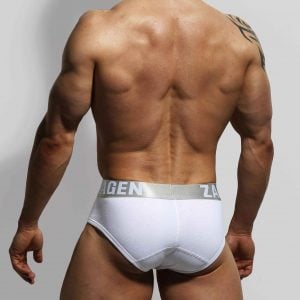


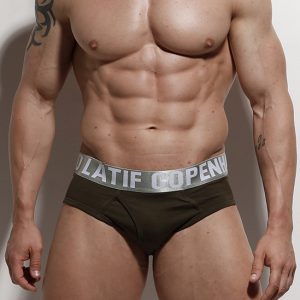
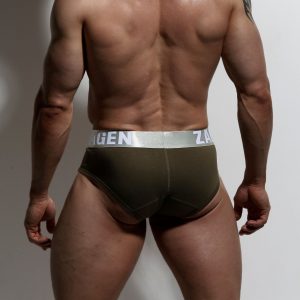

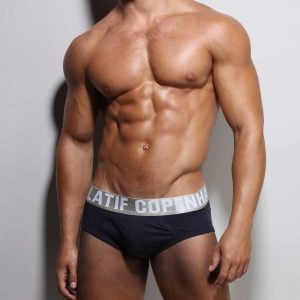
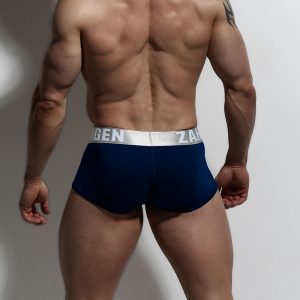


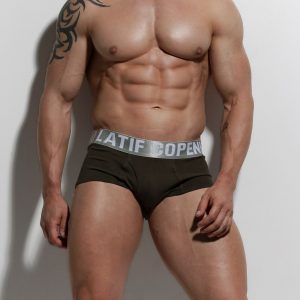


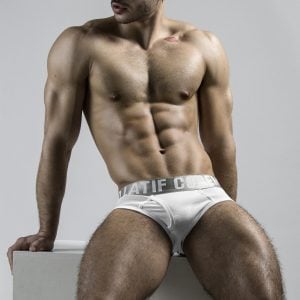


Our life-cycle principles also influence how we develop new products, with a focus on durability, responsible material use and longer product life.
Alongside the Life-Cycle initiative, ZLCOPENHAGEN continues to develop new, unworn products. These remain separate from the used, archived and sample garments described on this page.
We are also exploring a dedicated space for archived and life-cycle garments, including selected prototypes, fitting samples and production variations that can be redirected instead of automatically becoming textile waste.
COLLABORATION ON CIRCULAR TEXTILE FLOWS
We welcome contact from individuals, manufacturers and other partners with garments, surplus materials or experience with textile reuse and recycling. The aim is to explore practical approaches to circular design, product life-cycle thinking and responsible material flows.