Sustainable fashion recycling is about reuse, take-back, and material recovery—so fewer textiles become waste, and more materials stay in circulation.
TRANSFORMING TRENDS
HOW SUSTAINABLE FASHION AND RECYCLING CAN REDUCE CO2 EMISSIONS
Eco-friendly fashion is no longer a niche. As environmental awareness shapes everyday choices, sustainable fashion is moving from trend to baseline. It’s not only about making “better clothes”—it’s about building systems that reduce waste, lower energy use, and extend the life of materials through smarter design and responsible end-of-life options.
THE IMPACT OF RECYCLING IN FASHION
The impact of recycling in fashion comes from reducing the need for virgin materials and cutting emissions tied to extraction and processing. When brands use recycled inputs—such as recycled polyester—instead of virgin alternatives, it can reduce energy use and help lower the overall carbon footprint of production. In that sense, green fashion isn’t just a style choice—it’s a practical way to reduce environmental pressure.
WHY RECYCLING IN APPAREL MATTERS
Recycling in apparel is bigger than swapping materials. It’s a life-cycle mindset: design for durability, reduce mixed materials where possible, optimize packaging and transport, and create take-back or recovery pathways for when garments can’t be worn anymore. Brands that work this way actively reduce the environmental impact of fashion—and make it easier for customers to participate in more responsible consumption.
CONCLUSION: MAKING GREEN FASHION PRACTICAL
The shift toward fashion sustainability accelerates when both brands and consumers act. Supporting products designed for reuse and recovery—and choosing systems that prioritize recycling and circularity—helps reduce the fashion industry’s footprint over time. The goal isn’t perfection. It’s measurable progress: less waste, lower emissions, and better use of valuable resources.
WHY WE CHOOSE ECONYL®: A COMMITMENT TO A MORE SUSTAINABLE FUTURE
From day one, ZLCOPENHAGEN has been about more than design. We build products with a clear purpose: reduce waste, lower impact, and prove that luxury and sustainability can coexist. Choosing ECONYL® regenerated nylon is one of the most concrete ways we do that.
LESS WASTE, LOWER IMPACT — ONE SWIMWEAR PIECE AT A TIME
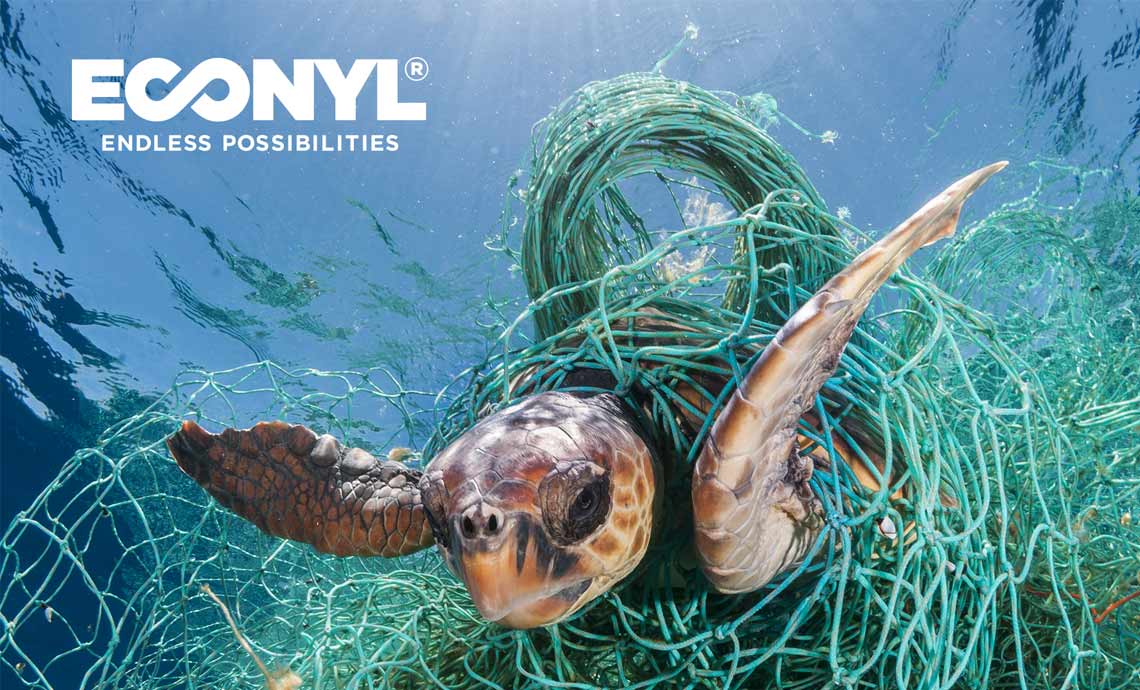
The fashion industry leaves a heavy footprint, and materials matter. By using ECONYL®, we support a system that turns waste into a high-performance textile. ECONYL® is produced from rescued waste such as fishing nets, fabric scraps, and industrial plastics—collected, cleaned, and regenerated into nylon again.
This approach helps keep harmful materials out of oceans and landfills while reducing reliance on virgin resources. (Impact figures are typically reported by the ECONYL® supply chain; if you publish specific numbers, attribute them clearly to the source.)
THE POWER OF A CLOSED-LOOP MATERIAL
What makes ECONYL® especially relevant for sustainable swimwear is the idea behind it: a closed-loop system. In simple terms, nylon can be regenerated into new nylon—helping enable a more circular approach where materials stay in use longer and waste is reduced.
DESIGNED FOR RESPONSIBLE SWIMWEAR
In our men’s swimwear collection, ECONYL® supports what we care about most: durability, performance, and responsible material choices. Each piece is meant to last—so the “best” impact isn’t only in what it’s made from, but also how long it stays in use.
WHY THIS MATTERS TO YOU
If you care about what you wear—and how it’s made—this is the point: choosing ZLCOPENHAGEN supports a brand focused on lowering carbon footprint, reducing textile waste, and moving toward circular fashion. It’s not just swimwear. It’s a more deliberate way to produce and consume.
EXPLORE & LEARN MORE
Discover our ECONYL®-based swimwear collection here.
Want the bigger picture? See how our recycling and material recovery approach works here.
And if you’re into essentials beyond swimwear, you can also explore our towel care and towel collection.


A CHILDHOOD IN NATURE
HOW MY JOURNEY LED TO SUSTAINABILITY
Looking back, my relationship with nature didn’t start as a “sustainability mindset” — it started as everyday life. I grew up in Sønderjylland, spending long days at Naldtanglejren, surrounded by the raw calm of the Danish landscape. Nature felt close, simple, and real.
One memory I still smile at is an old photo of me with Inge, happily collecting vandmænd (jellyfish) by the shore. I was completely in my element — obsessed with the water, proud of my bright orange swimwear, and feeling that rare kind of freedom you only get when you’re a kid and the sea is your whole world.
Water has always been my reset button. The sound of waves, the rhythm of swimming, sunlight flickering across the surface — it’s been a constant source of inspiration. Those early days at Naldtanglejren — the bålplads (bonfire pit), the wide-open landscapes, and the quiet presence of the water — planted a seed in me: respect for the natural world, and a desire to live closer to it.
HOW NATURE LED TO MY TRANSFORMATION
That love for nature showed up early in my creative work. I kept trying to capture movement — water, wind, plant growth, changing skies. But as I got older, I couldn’t ignore what I was seeing: plastic waste on beaches, polluted oceans, and the cost of human convenience.
It hit hard — because the places I loved weren’t “out there.” They were personal. And at some point I realized: if I’m going to design, I can’t pretend design is neutral. Every material choice leaves a footprint.
So I started asking a different question:
How do you create something that celebrates the water — without contributing to its destruction?
THE TRANSFORMATION TO ECONYL®
TURNING WASTE INTO BEAUTY
Finding ECONYL® felt like a missing piece clicked into place. ECONYL® takes waste — like abandoned fishing nets, plastic debris, and fabric scraps — and regenerates it into high-quality nylon.
To me, that idea was powerful. The same oceans that shaped my childhood were being cleaned up and transformed into something durable and wearable — something that could last. It wasn’t just “recycling.” It was regeneration. A closed-loop logic where waste becomes a resource again.
And honestly? It mirrored my own journey.
Turning childhood wonder into a practice that can actually make an impact.
WHY IT MATTERS TO ME — AND TO YOU
Water is still where I feel most at home. That hasn’t changed. What has changed is what I feel responsible for.
When you wear a pair of ZLCOPENHAGEN swimwear briefs made with ECONYL®, you’re not just choosing a look. You’re supporting a system that keeps waste out of the ocean and pushes fashion in a more responsible direction.
So next time you pull on your swimwear — for a beach day, a swim, or just the feeling of summer — remember: it’s not just fabric. It’s part of a bigger story.
A story about nature, responsibility, and the simple joy of being in the water — without leaving it worse behind.
Read more here