


FROM DESIGN TO PRODUCTION ENGINEERING
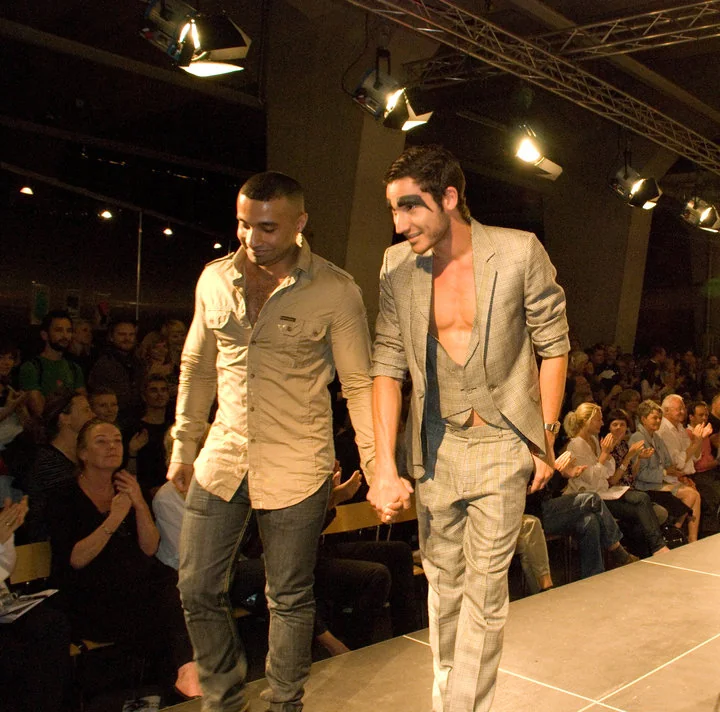
Zahid Latif is a Danish-Pakistani designer and Production Engineering student at the Technical University of Denmark (DTU), as well as the founder of ZLCOPENHAGEN.
His professional path connects a background in clothing and product design with engineering studies focused on production systems, materials, quality, Lean, supply chain and data-driven improvement. Through ZLCOPENHAGEN, these disciplines come together in practical work with design, product development and production.
ROOTS IN CRAFT AND CLOTHING DESIGN
Before studying Production Engineering at DTU, Zahid Latif was educated in clothing design, developing a strong foundation in garment construction, materials, fit and production processes. This hands-on design background created an early understanding of how materials, construction and manufacturing decisions influence the final product.
His work with ZLCOPENHAGEN has continued this practical approach through small-scale production, material selection and product development. Today, this design experience complements his engineering studies and a broader interest in how products and production systems can be developed, analysed and improved.
ZLCOPENHAGEN — FROM DESIGN TO PRODUCTION
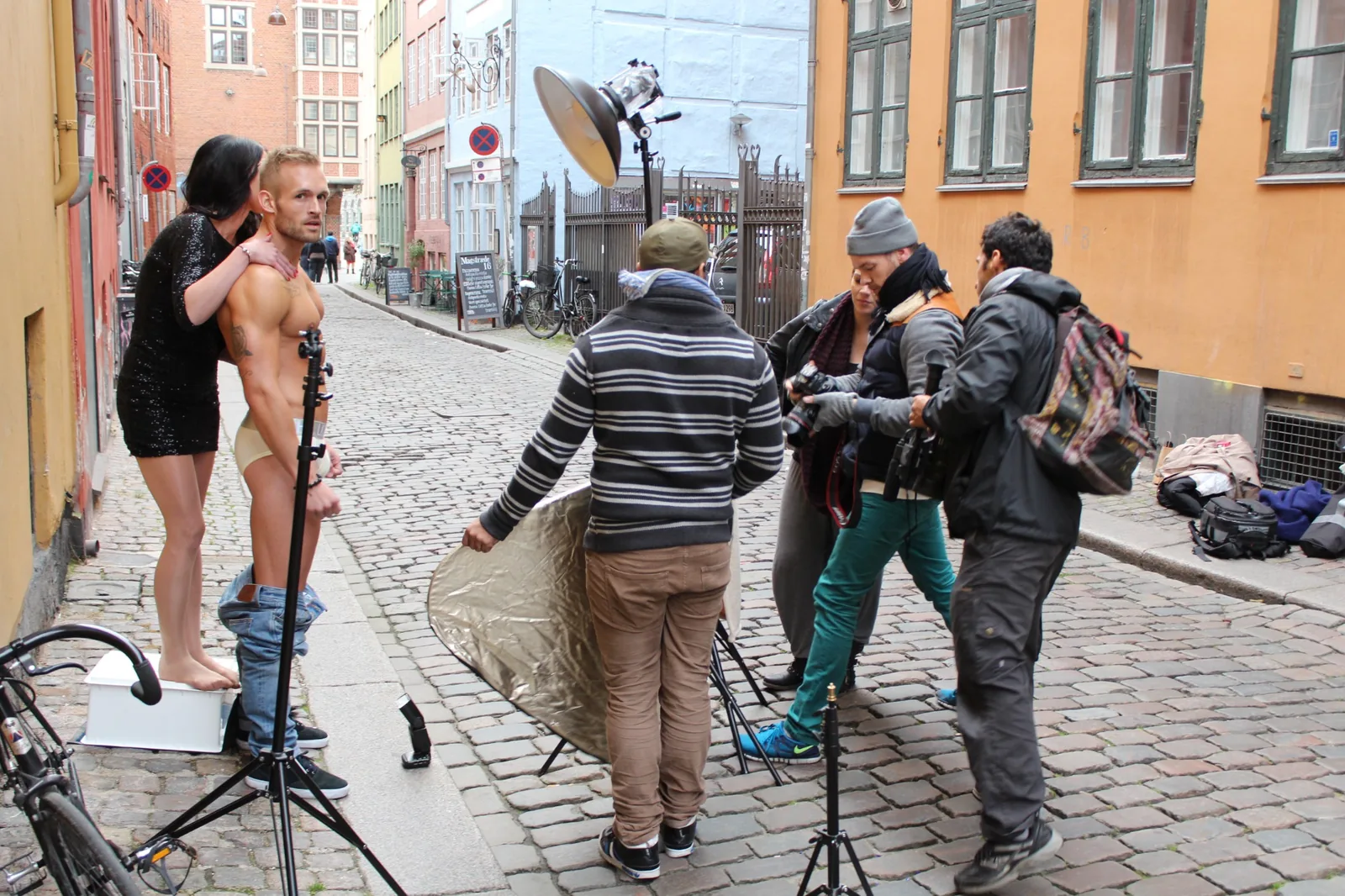
Founded by Zahid Latif, ZLCOPENHAGEN began as an independent design practice and has developed into a platform connecting design, materials, production and responsible product development.
Working with menswear, textiles and handcrafted products has provided practical experience with material selection, suppliers, product development and small-scale production. This experience now connects naturally with Zahid Latif’s engineering studies and his interest in how products and production systems can be developed and improved.
PRODUCTION ENGINEERING AT DTU
Zahid Latif studies Production Engineering at the Technical University of Denmark (DTU), with a focus on production systems, Lean, quality management, supply chain, sustainability and data-driven improvement.
His engineering studies include work with production planning, process improvement, quality, Life Cycle Assessment (LCA), supply chain management and digital tools such as Power BI and Python. The combination of engineering and design provides a perspective that connects product development with the systems and processes required to manufacture products efficiently and responsibly.
DESIGN, MATERIALS & PRODUCTION
His earlier design education remains an important part of this engineering profile. Experience with materials, garment construction, prototyping and product development provides a practical foundation for understanding how design decisions influence manufacturing, quality, material use and product life cycle.
This combination of creative and technical disciplines has shifted the focus from designing individual products towards understanding and improving the wider systems behind them.
WRITING & INDEPENDENT PROJECTS
Alongside engineering and design, Zahid Latif writes about culture, society and issues connected to his independent work. This remains part of ZLCOPENHAGEN, while his professional development increasingly focuses on production engineering, materials, quality and responsible manufacturing.
FROM DESIGNER TO PRODUCTION ENGINEER
Zahid Latif’s professional path brings together design experience, entrepreneurship and engineering. Through his studies at DTU and his work with ZLCOPENHAGEN, he continues to develop practical and analytical skills within production, quality, materials, supply chain and data.
The common thread is the product itself: how it is designed, how it is made, how production can be improved and how resources can be used more responsibly throughout its life cycle.
PROFESSIONAL TIMELINE
2024–PRESENT — PRODUCTION ENGINEERING, DTU
B.Eng. studies in Production Engineering with focus on production systems, Lean, quality management, supply chain, sustainability, LCA and data-driven improvement.
2024–2025 — STUDENT ASSISTANT, PRODUCTION
Practical work with workshop activities, prototypes and production-related tasks alongside engineering studies.
2024–PRESENT — PROPERTY MAINTENANCE ASSISTANT
Part-time operational work involving property maintenance, practical routines and resident-facing procedures.
2012–PRESENT — FOUNDER, ZLCOPENHAGEN
Independent work with design, product development, production, sourcing, digital development, SEO and e-commerce.
2003–2008 — PRODUCT & CLOTHING DESIGN
Design education at the Royal Danish Academy with focus on clothing, product development, materials, construction and creative practice.