


Lifting straps are used to improve grip strength during heavy pulling exercises such as deadlifts, rows and shrugs…
WHEN YOUR GRIP QUITS BEFORE YOUR MUSCLES — SOMETHING IS WRONG
Your grip should never be the reason you stop a lift.
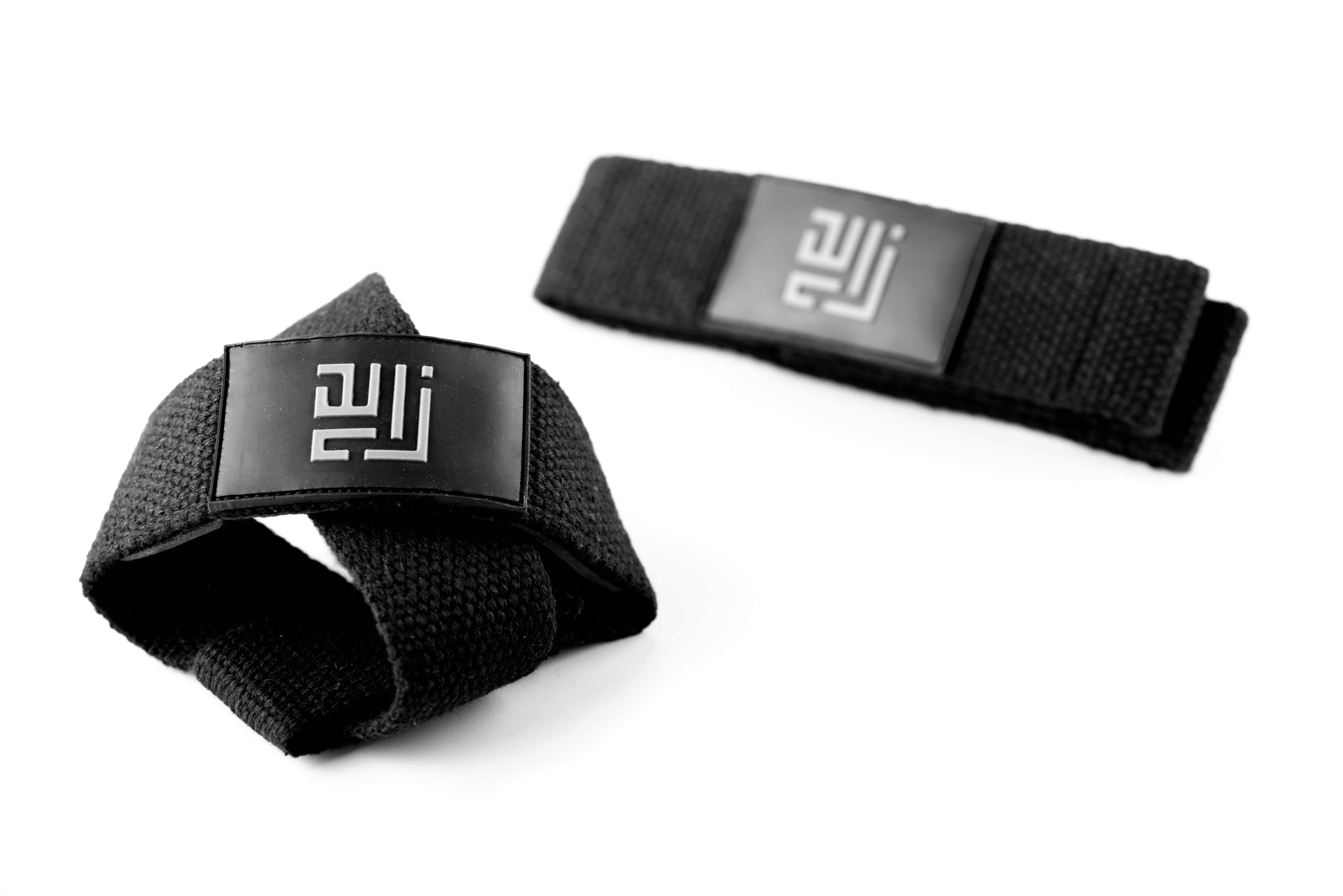
WHEN GRIP STRENGTH LIMITS YOUR LIFTS
If your set ends because your hands give out, not because the target muscle is exhausted, something is off.
That’s not “part of the process” — it’s a bottleneck.
Most lifters accept this for years. I did too. Until I realised the problem wasn’t strength. It was grip limitation.
That’s where lifting straps change the game.
WHY LIFTING STRAPS ACTUALLY WORK
Lifting straps act as an extension of your grip. By wrapping the strap around your wrist and the barbell, load is transferred away from your fingers and into your forearms and wrists.
The result is simple:
- No grip failure before muscle failure
- More control under heavy load
- Better focus on the muscle you’re training
This isn’t about cheating a lift. It’s about removing the wrong limitation.
HOW TO USE LIFTING STRAPS FOR DEADLIFTS
Deadlifts are the most common exercise where lifters use lifting straps. Wrap the strap around your wrist, loop the loose end around the barbell, and rotate the bar until the strap tightens securely.
- Place the loop around your wrist.
- Thread the strap under the barbell.
- Rotate the bar to tighten the strap.
- Grip the bar firmly before lifting.
Used correctly, lifting straps reduce grip fatigue and allow you to focus on the pulling movement itself.
MY FIRST EXPERIENCE USING LIFTING STRAPS
The first time I used lifting straps, I was sceptical. A piece of fabric didn’t look like much.
But the difference was immediate.
Suddenly, I wasn’t thinking about holding onto the bar. I was thinking about pulling it. My confidence went up, not because I felt stronger overnight — but because nothing failed prematurely.
Once you experience that shift, it’s hard to go back.
BENEFITS OF USING LIFTING STRAPS
Heavy pulls used to leave my wrists sore. Deadlifts, rows and long sets made the strain add up.
With lifting straps, the pressure is distributed more evenly. Less stress on the wrists. More stability. More training volume over time.
That combination is what leads to progress — not pain.
Why let your grip quit before your muscles do?
Strap in. Lift more. Stop fighting the bar.
CHOOSING THE RIGHT LIFTING STRAPS
There’s no single “best” strap — only the right one for how you train.
Cotton straps offer comfort and flexibility. Leather straps provide durability and a firmer feel. Padding can help if wrist pressure is an issue.
Start simple. Let performance decide.
SHOULD YOU USE LIFTING STRAPS?
If your grip limits your progress in pulling movements, the answer is yes.
Lifting straps don’t replace grip training — they support heavy work where grip shouldn’t be the weak link. Used correctly, they help you train harder, safer and with better intent.
Try them once under real load. Most lifters never look back.
-

BORDEAUX VEST
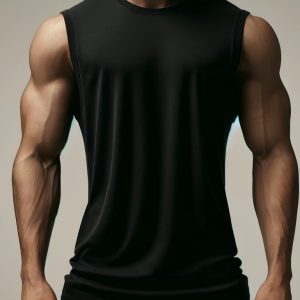
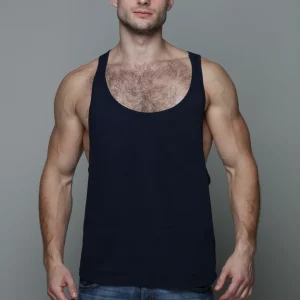
Athletic, Activewear & Fitness, Tank topsBordeaux Vest by ZLCOPENHAGEN. Designed for a perfect fit and simple care, gentle on the Planet and on your skin. Emphasize your muscles in our loose fitting vests with a round neck and extreme deep drop armholes. It is great for exercising or doing work around the house. Made of Eco-friendly viscose blend which breathes similar to cotton, and this blend is low impact to the Earth. Going green with your wardrobe doesn’t mean having to compromise your sense of style or your comfort. Our vests lets you look great and feel good knowing that you’re wearing something that is as sustainable as it is comfortable. The Model is wearing size Medium. -
GREEN TURQUOISE VEST
Athletic, Activewear & Fitness, Tank topsGreen Turquoise Vest by ZLCOPENHAGEN. Designed for a perfect fit and simple care, gentle on the Planet and on your skin. Emphasize your muscles in our loose fitting vests with a round neck and extreme deep drop armholes. It is great for exercising or doing work around the house. Made of Eco-friendly viscose blend which breathes similar to cotton, and this blend is low impact to the Earth. Going green with your wardrobe doesn’t mean having to compromise your sense of style or your comfort. Our vests lets you look great and feel good knowing that you’re wearing something that is as sustainable as it is comfortable. The Model is wearing size Medium. -
PURPLE DEEP CUT VEST
Tank tops$ 56PURPLE DEEP CUT VEST FOR ALPHA GAINS
Show off your V-shape with this bold purple deep-cut vest by ZLCOPENHAGEN. Made for muscle, movement, and making a statement – gym, beach, or Mykonos-ready. -
RETRO STYLE BODYBUILDING FITNESS WORKOUT MUSCLE TANK TOP
Athletic, Activewear & Fitness, Tank tops$ 70
-
YELLOW VEST
Tank topsYellow Vest by ZLCOPENHAGEN. Designed for a perfect fit and simple care, gentle on the Planet and on your skin. Emphasize your muscles in our loose fitting vests with a round neck and extreme deep drop armholes. It is great for exercising or doing work around the house. Made of Eco-friendly viscose blend which breathes similar to cotton, and this blend is low impact to the Earth. Going green with your wardrobe doesn’t mean having to compromise your sense of style or your comfort. Our vests lets you look great and feel good knowing that you’re wearing something that is as sustainable as it is comfortable. The Model is wearing size Medium. -
PERFORMANCE BOXY CUT OFF TANK
Athletic, Activewear & Fitness, Tank topsPlain Bodybuilding Fitness Workout Tank Top by ZLCOPENHAGEN. Please note, that this garment, is custom made on demand with an expected delivery of 4-6 weeks. Binding order. Our tailored tank top is made of 100% organic cotton. Sizes: Small, Medium, Large and X-Large Ulrik is wearing size Medium. Designed for a perfect fit and simple care, gentle on the Planet and on your skin. Emphasize your muscles in our fitting tank top with a round neck and standard deep drop armholes. It is great for exercising or doing work around the house. Made of Eco-friendly organic cotton, low impact to the Earth. -
CUSTOMISED ZYZZ POSE TANK TOP FOR MEN
Athletic, Activewear & Fitness, Tank tops$ 280MAKE THE NEW ZYZZ POSE & STEAL THE SPOTLIGHT
Crave the Limelight? It’s Yours for the Taking. Ever thought about why you hit the gym so hard? It’s not just for health—it’s for the stares, the whispers, and yes, the outright admiration. With our customised Tank Top, you’re not just wearing another piece of clothing; you’re making a statement.
Why Choose This Tank Top? It’s simple. You want to show off that chiseled body in the best way possible. Whether you're pushing weights or pushing through the crowd, this tank top ensures you look irresistible.
The Perfect Fit: Made from 100% organic cotton, this tank top is both comfortable and daring. Designed to highlight every muscle and complement your gains, it's your new best friend for that naughty smile selfie.
Your Ideal Size: Available in Small, Medium, Large, and X-Large. See our model Ulrik? He’s rocking a Medium, capturing glances like a pro.
Ready to Dominate Social Media? Throw on our tank top, snap that shot, and watch the likes and comments roll in. You're not just working out; you're setting the social scene on fire.
PLEASE NOTE
Expect delivery within 4-6 weeks as each tank top is custom made on demand. Patience is a virtue, and great things come to those who wait.
Put on our tank top, step out, and own every moment. The spotlight is waiting for you. Isn’t it time you embraced it?
-
LIME GREEN WORKOUT VEST MUSCLE TANK TOP
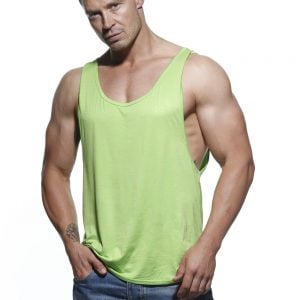
Tank topsGreen Vest by ZLCOPENHAGEN. On a hot summer day, you plan to go on hiking on a hilly spot. As you walk further, you feel the heat of the environment. The day is sunny with the sun at its peak. Walking and hiking your body is already fatigued and sweating in the warmth. Exhausted with the heat of this sunny day, it's time to freshen your body and let it be relaxed in some comfy wear. So you take off your tracksuit and put on our green vest by ZLC Vest that not only looks manly to wear but comfy to be in. As you put on the ZLC Vest your bulging body is visible to others and making everyone envious of your sexy look. The sweat on your body makes it looks like a diamond shining bright. With this masculine look in the ZLC vest, you enjoy all the attention that your beautiful body deserves. Brace yourself for the summer days with this little beauty.


HOW TO USE WEIGHTLIFTING STRAPS
WHAT ARE WEIGHTLIFTING STRAPS USED FOR?
Weightlifting straps are used to support your grip during heavy pulling movements. They reduce strain on your hands and wrists, allowing you to focus on the target muscle instead of holding onto the bar.
HOW DO YOU PUT ON WEIGHTLIFTING STRAPS?
Loop the strap around your wrist, then wrap the loose end tightly around the barbell or dumbbell. The strap should feel secure without cutting off circulation. A snug wrap improves control and stability.
WHEN SHOULD YOU USE WEIGHTLIFTING STRAPS?
Use lifting straps during heavy pulling exercises such as deadlifts, rows, shrugs, and rack pulls—especially when grip strength limits your performance before the muscle does.
CAN WEIGHTLIFTING STRAPS HELP PREVENT INJURIES?
Yes. Lifting straps reduce excessive wrist strain and help prevent grip-related breakdown under load. Proper use improves control and lowers the risk of dropping weights during heavy sets.
ARE THERE DIFFERENT TYPES OF WEIGHTLIFTING STRAPS?
Yes. Common types include:
- Loop straps – versatile and beginner-friendly
- Figure 8 straps – maximum security for heavy pulls
- Hook straps – grip assistance without wrapping
Materials such as cotton or leather affect comfort and durability.
HOW DO YOU CLEAN AND MAINTAIN WEIGHTLIFTING STRAPS?
Hand wash straps in warm water with mild soap and let them air dry. Inspect them regularly for fraying or damage to maintain safety.
CAN BEGINNERS USE WEIGHTLIFTING STRAPS?
Yes, provided basic lifting technique is already in place. Beginners should use straps selectively, focusing on heavy sets while continuing to train natural grip strength.
DO WEIGHTLIFTING STRAPS WEAKEN GRIP STRENGTH?
No, if used correctly. Lifting straps support heavy work but should be balanced with grip-specific exercises to ensure long-term hand and forearm strength.
HOW TIGHT SHOULD WEIGHTLIFTING STRAPS BE?
Straps should be tight enough to prevent slipping but loose enough to maintain blood flow. Proper tension improves performance without discomfort.
CAN YOU USE WEIGHTLIFTING STRAPS FOR ALL EXERCISES?
No. Lifting straps are designed for pulling movements. They are not intended for pushing exercises such as bench presses or overhead presses.
-
SLOW-MADE WEIGHT LIFTING GLOVES
Accessories, Fitness GearBUILT FOR HEAVY LIFTS. NOT FOR EVERYONE
If you’ve been looking for gym gloves that actually support your training — not just your hands — these ZLC Weight Lifting Gloves are made for you.
Designed with an integrated wrist wrap for stability when the weight goes up, they help reduce strain and protect weak or injured wrists during heavy lifts.No gimmicks. Just support where it matters.
SUPPORT WHERE YOU NEED IT MOST
The wrist wrap closure is built to stabilize — not restrict.
Giving you confidence on presses, pulls, and lifts where grip and wrist alignment decide whether the rep counts or not.
MADE BY HAND. NOT MASS-PRODUCED
These gloves are produced in small batches in Punjab, Pakistan, in collaboration with a local workshop where skilled women and men are paid for their craft — not their speed.
This is slow-made gym gear.
Production takes longer by choice. Quality always does. -
Sold out
PINK WEIGHTLIFTING STRAPS FOR STRONGER LIFTS
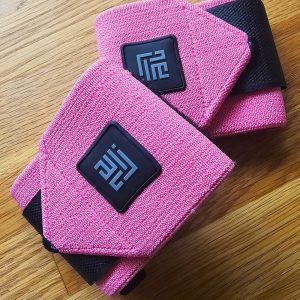
Fitness Gear, PINK WEIGHTLIFTING STRAPS FOR DEADLIFT GRIP & STRONGER LIFTS$ 14Pink Powerlifting Straps – Weightlifting Straps by ZLCOPENHAGEN
Built for lifters who refuse to let grip strength limit performance.
These pink weightlifting straps are designed to help you lift heavier, train harder, and push beyond your limits — when it matters most.Crafted with heavy-duty stitching, extra padding, and an adjustable fit, they deliver maximum grip and wrist support without cutting into your hands.
Produced in Pakistan by skilled village workers from rural areas in Punjab.
When you choose ZLC straps, you don’t just support your training — you support real people and real livelihoods.Please note: These straps are made on customer demand. Expected delivery time is 2–3 weeks.
$ 14 -
ZLC BLACK POWER LIFTING STRAPS WEIGHTLIFTING
Fitness GearZLC Power lifting Straps – lifting straps. Developed for the serious athlete who needs the extra energy needed to go from good to best. Produced in Pakistan, by village people from rural areas in Punjab, Pakistan. Adjustable heavy-duty lifting straps with extra padding, with heavy-duty stitching for enhanced durability. Support yourself by supporting other people in need.Price range: $ 17 through $ 56Price range: $ 17 through $ 56 -
ZLC BLACK OCCLUSIONS BANDS VELCRO BICEPS ARMS
Accessories, Fitness GearZLC Occlusions Band for arms with velcro closure Transform your arms from skinny to sensational with our occlusion bands. Sculpt bulging biceps that command attention and respect. Sold in pairs, these bands are your ticket to fame and glory. Feel confident and powerful in every room you enter as your arms grow bigger and stronger. Don't settle for mediocrity; step into the spotlight and claim your rightful place among the elite. Say goodbye to frustration and hello to a new era of confidence with our revolutionary occlusion bands. -
ZLC BLACK OCCLUSION BANDS VELCRO ARMS & LEG
Accessories, Fitness GearZLC Occlusion Bands with velcro closure for arms & legs, 2 set Bands for the arms come in 3 sizes: Small (20-30 cm circumference, 16") Medium (28-42 cm circumference, 20") Large (40-52 cm circumference, 24") Bands for the legs come in 75 cm as a standard size (30") Durable eco-friendly elastic, made of HQ material. Made in Pakistan. -
ZLC MIDNIGHT MUSCLE BLACK WRIST WRAPS
Accessories, Fitness GearZLC Midnight Muscle Black Wrist Wraps are made in Pakistan. Our Wrist Wraps collection contains i.a. polyester that is recycled. If you have been looking for perfect wrist wraps for yourself, then these exclusive ZLC Midnight Muscle Black Wrist Wraps will surely impress you in many ways. Maximum support and injury prevention. The perfect solution if you need extra support while weight training to protect a weak or injured wrist. Workout hard, grab people's attention whenever you go to the Gym. Show off your muscles, and add extra hotness to your body by using our ZLC Midnight Muscle Black Wrist Wraps. Your naturally smooth, sexy, and kinky body figure with these comfy black wrist wraps will cause insomnia to the boys and girls at the gym. Produced by underprivileged men/women in Punjab, Pakistan. Providing economic opportunities for people who need it.$ 11$ 11 -
OCCLUSIONS BANDS PLASTIC BUCKLE BICEPS ARMS
Accessories, Fitness GearZLC Okklusions bånd hjælper at begrænse blodgennemstrømningen til musklerne, og dermed bedre trænings resultater. Udviklet til den seriøse atlet, der har brug for ekstra kræfter, der skal til, for at gå fra god til bedst. Fordelen ved at træne med disse bånd, er at træne med en minimal belastning, hvor blodstrømningen samtidig bliver delvist stoppet, der medfører en effektiv træning. Jo længere tid musklerne er i kontakt med blodet, desto mere en effektiv træning bliver resultatet. Jo lavere belastning, desto mere en skånsom træning og samtidig beskyttes led og sene bånd. Lavet af special designede kvalitets materiale med god holdbarhed. 5 cm brede, der sikrer den helt perfekte okklusions effekt. Sidder rigtigt fint på armen uden at generer huden, og lukkes med et stærkt plastikspænde. Onesize (15cm – 50cm), og fås i par, et bånd til hver arm.$ 28$ 28 -
ZLC YELLOW OCCLUSION BANDS VELCRO BICEPS ARMS
Accessories, Fitness GearZLC Occlusions Band with velcro closure ( arms ) Comes in 3 sizes: Small (20-30 cm circumference) Medium (28-42 cm circumference) Large (40-52 cm circumference) Durable eco-friendly elastic, made of HQ material. Made in Pakistan. -
ICE SILK FACE MASK REUSABLE WASHABLE
Fitness GearIce silk face mask by ZLCOPENHAGEN. Make sure you wash it first before you wear it! Perfect for indoor and outdoor protection. Made of soft neoprene stretchable fabric with a comfortable and stylish look. Please note that this face mask only has a single layer mask.$ 4$ 4 -
$ 11
-
$ 21
-
HARD ZLC BABY PINK WRIST WRAPS RECYCLED
Accessories, Fitness GearExtra Strong and stiff than the regular Wrist wraps. Absolute for improved performance. only few colours available$ 17$ 17 -
UPCYCLED GENUINE LEATHER LIFTING STRAPS DARK RED
Accessories, Fitness GearGET A GRIP
LEATHER LIFTING STRAPS FOR YOUR NAUGHTY WORKOUTS
-
BLACK GREEN STRIPED WRIST WRAPS
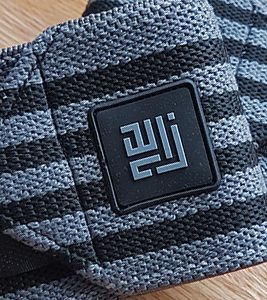
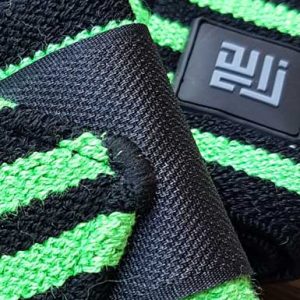
Fitness GearMiddlemen: The Wrist Wrap Challenge Ever noticed how those wrist wraps you love seem a bit pricey? That's because middlemen—those in-between folks—jack up the prices. They add complications and sometimes even exploit the people who make the wraps. But fear not! We're cutting out the middlemen and getting you those wraps straight from the source. No more obstacles—just you, your wraps, and your fitness journey!" Do you need that extra strength and support for your wrists? Don’t look further, The ZLC team promises to provide you Ultra Wrist Wraps to get you through your toughest workouts and gives your wrists that necessary strength. You will feel that your Wrists are like concrete! Wear these black gray striped Wrist Wraps and question your Wrist that what’s the next thing you’re gonna lift? It’s time to wear little extra strength and show people that you’re not the old guy that used to lift low weights.$ 21$ 21 -
OLIVE OIL SOAP FOR MEN WHO LIKE TO BE TOUCHED
Fitness Gear, IMPACT THREADS – CHARITY BRACELETS WITH MEANING, Wellness SpaPrice range: $ 35 through $ 70OLIVE OIL SOAP FOR MEN WHO LIKE TO BE TOUCHED
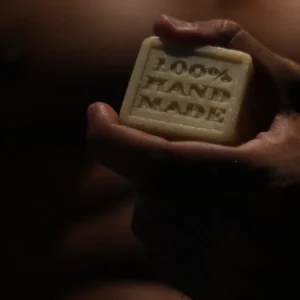
Forget generic shower gel. This olive oil soap for men is made for slow showers, warm water and skin that likes to be touched. A handmade olive oil soap bar that cleans your body deeply, but leaves your skin soft, smooth and still alive.TURN YOUR SHOWER INTO A RITUAL
Step under the hot water and let the day slide off your shoulders. As you work this natural body soap for men over your chest, arms and stomach, it creates a rich, creamy lather that clings to your skin instead of running straight down the drain. It’s more than just getting clean – it’s a small, private moment where you actually feel your own body.Price range: $ 35 through $ 70 -
Sold out
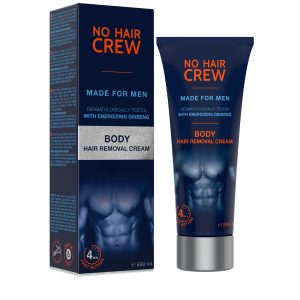
BODY HAIR REMOVAL FOR MEN CREAM 200ML
Fitness GearBody hair removal cream 200ml The hair removal cream for men is a convenient and painless way to remove excess body hair. Very suitable for the chest, back, legs, arms and armpits. It is specially designed for thick and thick male hair. It is kind to the skin and has a moisturizing effect around the clock. There is no risk of cuts or stubble. Dermatologically tested, skin-friendly 24-hour hydration.$ 21$ 21 -
10-PACK ZLC MIDNIGHT MUSCLE BLACK WRIST WRAPS
Fitness Gear, SALE & MULTI PACKSLooking to supercharge your weightlifting sessions with optimal support? Welcome to our guide on Weightlifting Support, where we explore the essential gear for maximizing your performance in the gym. Plus, don't miss out on our exclusive 10-pack deal, offering unbeatable value for those serious about their gains. Whether you're a seasoned lifter or just starting out, having the right weightlifting support can make all the difference in achieving your fitness goals. Join us as we delve into the key elements of weightlifting support and how they can elevate your training regimen.$ 98$ 98 -
-
ZLC BLACK WHITE GREY CAMO WRIST WRAPS RECYCLED
Accessories, Fitness GearTired of the same old gym gear? Ready to spice things up and show off your naughty side? Meet our ZLC Black White Grey Camo Wrist Wraps Recycled – your ticket to turning heads in the gym. Proudly made in Pakistan with recycled cotton and elastic, these wraps aren't just about style – they're about saving the planet too. With a sleek camouflage design in three irresistible colors, they'll add a touch of flair to your workout. Plus, by choosing our wraps, you're supporting local communities in Sialkot. Why settle for boring when you can be bold and make a difference? Dive into the world of ZLC Black White Grey Camo Wrist Wraps Recycled and elevate your workout game today!$ 11$ 11
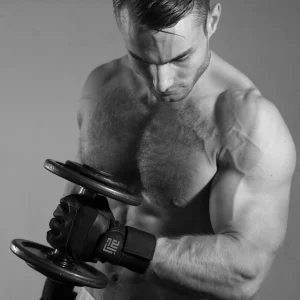


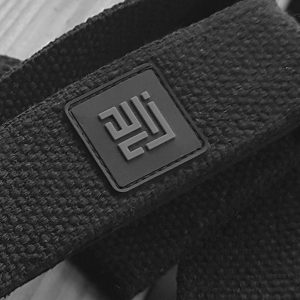


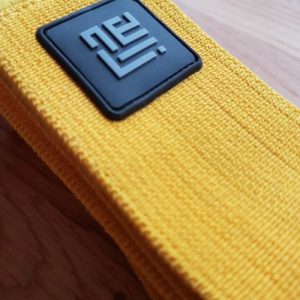


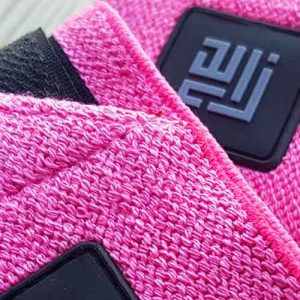







If your grip is the reason your sets end, it’s time to change that.
Weightlifting straps allow you to focus on the lift itself — not on holding the bar. Less wrist strain. More control. Better progress over time.
If you’re training heavy and taking your progress seriously, these straps are built for the job:
- Upcycled Genuine Leather Lifting Straps – durable, stable, and made for long-term use.
- Power Lifting Straps – maximum support for heavy pulls.
- Pink Power Lifting Straps – same strength, bold finish.
Choose the straps that match how you train — and stop letting grip decide your limits.

