THE HISTORY OF MEN’S UNDERWEAR: A GLOBAL STORY FROM THE INDUS VALLEY TO TODAY
The history of men’s underwear didn’t begin in the West. Growing up in Pakistan, I was surrounded by clothing traditions that carry memory, craft, and identity. Over time I realized that even something as “ordinary” as underwear is tied to a much older and wider story—one that starts in the Indus Valley and spreads across South Asia, East Asia, and the Islamic world long before industrial Europe standardized modern styles.
This is more than a garment timeline. It’s a men’s underwear history shaped by climate, work, modesty, and trade—by hands that wove cotton, wrapped cloth, and stitched meaning into daily life.
ROOTS IN THE INDUS VALLEY: EARLY MEN’S UNDERGARMENTS
When people ask, “when did men start wearing underwear?” the answer reaches back thousands of years. In the Indus Valley and early South Asia, men wore simple underlayers—wraps and loincloths—built for heat, labor, and movement. These weren’t “fashion” in the modern sense; they were practical clothing systems that respected the body and the environment.
ANCIENT INDIA & SOUTH ASIA: WRAPS, DHOTI, AND COTTON CIVILIZATION
In my family, garments like the dhoti and lungi were everyday wear—light, breathable, and culturally grounded. They served the same purpose underwear does today: comfort, modesty, and freedom of movement. The rise of cotton cultivation and hand-weaving in South Asia made these undergarments both accessible and durable, spreading through trade routes into wider Asia and the Middle East.
EAST ASIA & THE ISLAMIC WORLD: LAYERS, TAILORING, AND TRADE
Across East Asia, men developed layered underclothing tuned to seasons and social norms—using cotton, silk, and early tailoring techniques. In the Islamic world, underlayers evolved alongside ideas of modesty and craftsmanship, with textiles moving through vast networks from Asia to North Africa and beyond. This cross-regional exchange is a key part of the evolution of men’s underwear: materials and methods traveled long before Western industry did.
COLONIAL SHIFTS: WHEN EASTERN TRADITIONS MET WESTERN STANDARDIZATION
Much later, colonial influence introduced Western drawers, trousers, and standardized cuts into South Asia. Traditional wraps didn’t disappear overnight, but they were pushed aside by imported norms. For me, this period matters—not because it “started” underwear history, but because it changed who controlled the narrative of clothing and modernity.
MODERN MEN’S UNDERWEAR: BRIEFS, BOXERS, AND A GLOBAL MIX
Today, men’s underwear ranges from briefs to boxers to performance fabrics. But modern shapes sit on top of ancient foundations. The history of male underwear is a global story: Indus practicality, South Asian cotton culture, East Asian layering, and later industrial mass-production. If we follow the cloth—not the Western timeline—we see underwear as civilization in miniature: body, labor, dignity, and belief.
CONCLUSION: WHY THIS HISTORY IS PERSONAL
Underwear is universal, but its history is profoundly human. From the Indus Valley to modern wardrobes, it reflects how societies live, work, and protect dignity. For me, designing and writing about underwear is a way to honor the craft I come from—and to remind us that the oldest roots of men’s underwear belong to the East as much as anywhere.
THE HISTORY OF MEN’S UNDERWEAR
The history of men’s underwear didn’t begin in the West. Long before modern briefs and boxers existed, men in the Indus Valley, ancient India, East Asia, and the Islamic world wore practical undergarments shaped by climate, labor, modesty, and craft. Underwear started as simple cloth systems—wraps, loincloths, and layered textiles—made to protect the body and allow movement in everyday life.
So when did men start wearing underwear? The evidence reaches back thousands of years. Early civilizations across South and East Asia developed underlayers using cotton, linen, and silk, refined through trade routes and textile innovation. This article traces the global men’s underwear history from Indus-era cloth traditions to the industrial standardization that later produced modern styles.
ANCIENT ORIGINS: INDUS VALLEY, SOUTH ASIA & EAST ASIA
In the Indus Valley civilization (in today’s Pakistan and India), people used early cotton weaving and simple undergarments designed for heat and work. These were often loincloths or wrapped cloth worn under outer layers—light, breathable, and suited to movement. Similar cloth-based underlayers developed across ancient India, where wraps evolved into garments like the dhoti and lungi, not as “fashion” but as functional daily wear.
Across East Asia, men wore layered underclothing adapted to seasons and social norms—using cotton and silk and early tailoring techniques. In many regions, underwear was not a separate category but part of a clothing system: an inner layer for comfort, hygiene, and modesty, shaped by craft traditions and local life.
THE EVOLUTION OF MEN’S UNDERWEAR THROUGH HISTORY
The evolution of men’s underwear followed materials and technology. As spinning, weaving, and dyeing advanced in Asia and the Middle East, undergarments moved from simple wraps to stitched forms. Only much later did industrial Europe and the United States standardize underwear into mass-produced briefs and boxers. Modern cuts are recent—but the idea of an inner layer is ancient and global.
-

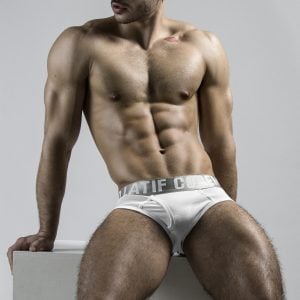
ZLC WHITE BRIEF RECYCLED NYLON ELASTIC
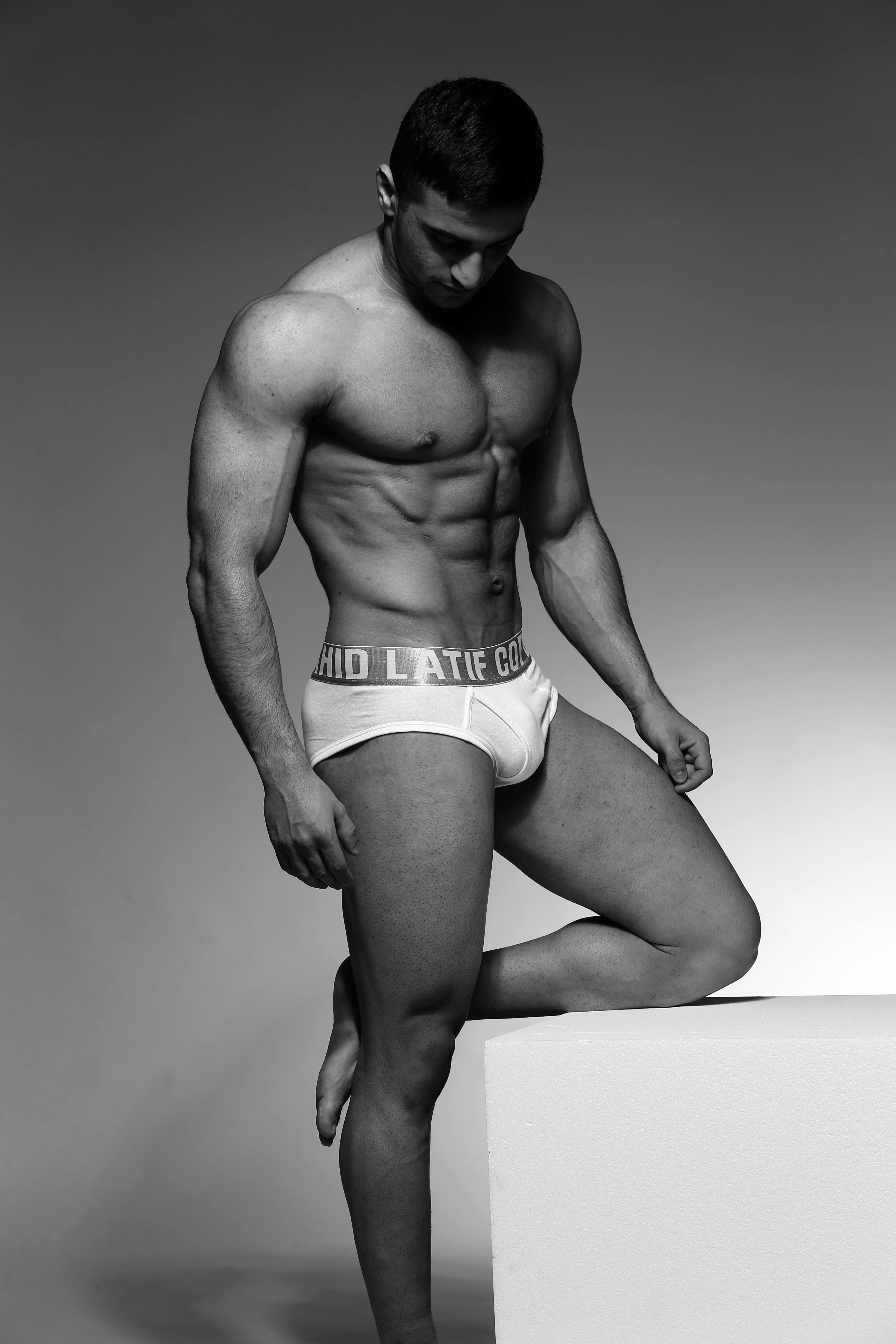
BRIEF, UNDERWEARZLC White Brief Choosing a brief from ZLCOPENHAGEN isn't just selecting underwear; it's embracing a statement of style, comfort, and conscious craftsmanship. Our briefs are meticulously designed to enhance your natural form, ensuring a comfortable and confident fit. Crafted with precision and a keen eye for detail, each piece reflects our commitment to quality. By choosing ZLCOPENHAGEN, you're not merely buying underwear; you're investing in a brand that values sustainability and environmental consciousness. Our commitment to using eco-friendly materials and ethical production practices sets us apart. Experience the fusion of functionality and fashion – where every stitch is a testament to our dedication to creating pieces that go beyond utility. ZLCOPENHAGEN briefs are more than undergarments; they are an embodiment of your refined taste and commitment to self-care.€ 52€ 52 -
ZLC GREY BOXER SHORTS WITH BUTTON FLY CLOSURE
BOXER BRIEFS, boxer shorts for men, UNDERWEAR, USED UNDERWEAR LIFE CYCLEGrey boxer shorts with button made to tease. Fitted, breathable, and soft on your skin. Perfect for your V-line, bubble butt, and all-day confidence.€ 59€ 59 -
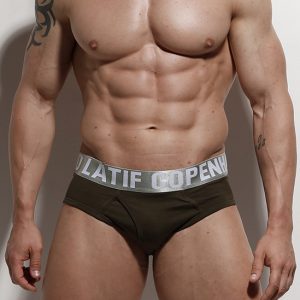
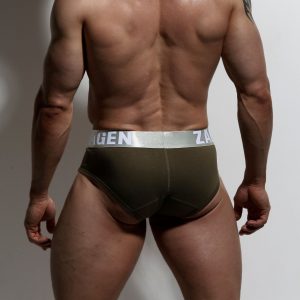
ZLC ARMY GREEN BRIEF RECYCLED NYLON ELASTIC
BRIEF, UNDERWEAR€ 65SOLDIER BRIEF – UNLEASH YOUR MANLY CHARM
The ZLC Soldier Brief is more than just underwear—it’s a statement. Designed to amplify your manly silhouette, this striking brief combines functionality and flair. The bold contrast of silver and olive green catches the eye, while its sensual fit guarantees confidence and comfort all day long. Whether you’re turning up the heat at a party, strolling the beach, or planning an intimate evening, this brief ensures you’ll be impossible to ignore. The Soldier Brief isn’t just about looking good; it’s about feeling unstoppable. Crafted with premium materials, this brief delivers:- Bold Design: The silver waistband and olive green fabric command attention.
- Comfortable Fit: Tailored for all-day support and to enhance your natural physique.
- Manly Confidence: Perfect for any occasion that calls for boldness and charm.
€ 65 -
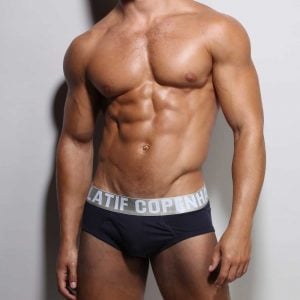
ZLC NAVY OPEN FLY COTTON BRIEF RECYCLED NYLON ELASTIC
BRIEF, UNDERWEAR€ 52WHY ARE YOU JEALOUS?
JEALOUS OF THE REAL DEAL WHEN ALL YOU'VE GOT IS FOAM AND SILICONE? WHY NOT CHANGE THAT?
Hey, ZLC Man, ready to turn those envy-filled glances into admiration? Our ZLC Navy Briefs aren't just underwear; they're your ticket to becoming the object of desire. Imagine yourself poolside, your sculpted physique glistening in the sun. With each step, your bulging butt and chiselled abs command attention, leaving everyone in awe of your irresistible allure. But here's the thing - you don't have to imagine it. You have the power to make it a reality. So, stop letting jealousy hold you back and start embracing your potential. Hit the gym and watch as your muscles grow with each squat and deadlift. Feel the burn as you sculpt those beefy abs that will make heads turn wherever you go. Our navy blue briefs aren't just a garment; they're a statement of confidence and self-assurance. Slip them on and feel the power surge through you as you strut your stuff with pride. You have what it takes to be the hottest man in the room, ZLC Man. So, what are you waiting for? It's time to unleash your inner alpha and claim your rightful place in the spotlight. Your journey to greatness starts now€ 52 -
ZLC CHALKY OFF WHITE TRUNK RECYCLED NYLON ELASTIC
Trunks, UNDERWEARThe new ZLC Chalky Off White trunk underwear is the mood of the body. This new comfy underwear provides you with the ultimate comfort and a look that will be worth it. Going on date with your ladylove and you might get a chance for a sleepover with her. We live in the times where the first impression goes to a very last bit. Make it a good one by wearing the extraordinary in-wear. With its transparent look, the ZLC chalky Off white trunk underwear is as if you're wearing nothing. Give some good vibes to your bubble butt with these trunks that she would love to see you in. So, get yourself prepared to surprise your girl with your desired look. Wear underwear and sleep in comfort. While the girl lying with will be all in love with you in the dead-ass look.€ 52€ 52 -
MARINE NAVY BLUE TRUNK RECYCLED NYLON ELASTIC
Trunks, UNDERWEAR€ 46WORT IT OUT!
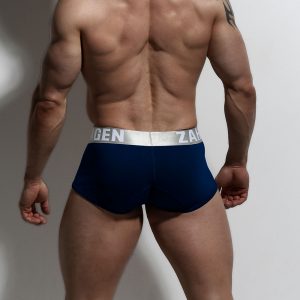
Sexy Marine Navy Blue Trunks with recycled nylon elastic by ZLCOPENHAGEN. So, it’s time to crack the nut of confidence by wearing this beautiful and sexy Navy blue trunk. Add this to your collection of underwear now! Underwear is the item clothing that is seen less often but shouldn't be neglected. If you know you're going to be seen in your in-wears, why not make an effort to make it look cool upon you. There are times when you should play safely around people and other times you should take more of a risk to bring the best of your sexuality and make their ogles at you worth it. Your Secret Sword deserves something that fits well and flatters your body shape. This new Navy blue trunk is made perfectly to give shape to your body and delicate bubble butt. Go on your workout session with this slim-fit underwear because you need all the support you can get while lifting weight and stay cool on those sweety cardio days. While your sweating body will look sensual, the ZLC Navy blue trunk will add up to your aesthetic outlook. So don't miss out on the chance to try this extraordinary underwear that has the power to leave a lasting impression on others. Navy blue trunk by ZLC.€ 46 -
ANTI PUSH UP MEN’S ARMY TRUNK RECYCLED NYLON ELASTIC
Trunks, UNDERWEAR€ 52DITCH THE FAKE
UNLEASH YOUR TRUE SEXY WITH ZLC ARMY TRUNK
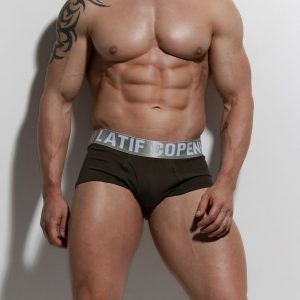
Are you tired of underwear that promises more than it delivers? "Push-Up Men's" briefs may offer a temporary illusion, but do they truly make you feel confident? Or are they just less genuine, focusing on appearances over real self-assurance? Ever wanted to feel both irresistibly sexy and comfortable without the pretence? Here’s your chance with our ZLC Army trunk. Imagine turning heads with a look that’s authentically appealing. Ready to spark some mischief? Our unique, macho-like army trunk is not just about looking good; it’s about feeling good in your skin. Our ZLC Army Trunk combines a classic military-inspired design with modern comfort. It adjusts perfectly to your body, ensuring you can manage your package with ease throughout the day. The military-army-green colour doesn't just wear—you embody it. It's time to unleash your inner soldier, ready for duty at a moment's notice. Why settle for fake when you can have the real deal? Why not be proud of your natural shape and embrace a style that enhances without deceiving? Remember, it's not about the quantity; it's about the quality. Let the battle for authenticity begin—are you ready to join the ranks?€ 52 -
EXCLUSIVE MEN’S UNDERWEAR SALE DANISH DESIGN FROM COPENHAGEN:
BRIEF, SALE & MULTI PACKS, UNDERWEARWe are offering a great deal for you. It includes two briefs of navy blue and army green color. Both products are the most selling items. You will get an amazing discount by buying these two items together. These are the two most preferably chosen colors by men so we put them in a deal for your more convenience. You can see that how much sexy and manly our models are looking after wearing these seducing briefs. This underwear works like a magnet that attracts the naughty girls around you. They will give you an amazing feeling of comfort, confidence, and masculinity. It perfectly covers your beefy butt and sensually touching your private part so amazingly nothing will be hidden. Get the girl's attraction and bound them to think wet and naughty about you with your extremely sexy physique and yummy beefy thighs. Sexy brief fits your butt and groin perfectly so persons around you will fall in love with your sexiest look at first appearance. You can just imagine now that how seductive you will look as our hot and macho models are looking after wearing these hot little garments. You don’t have to worry about the quality of the product. We never compromise on the fabric used in items and fitting that amazingly fit a man’s body. We assure you that the product will give you complete man’s satisfaction about their dreamy sexiest body.€ 78€ 78